Practical Guide to Keeping a Nature Journal
A nature journal is a personal record of observations, typically combining written notes, sketches, and dates to document the natural world. It serves as a tool for slowing down, paying attention, and creating a lasting archive of local wildlife and seasonal changes. Unlike a formal scientific log, a nature journal is flexible and personal, allowing each individual to develop a practice that suits their interests and schedule. The approach emphasizes process over perfection, encouraging regular engagement with the outdoors.
This guide outlines practical steps for starting and maintaining a nature journal, from selecting materials and choosing a location to recording observations with sketches and notes. It also discusses how dates and weather conditions provide context, and how the practice can support the development of observation skills over time. The method is adaptable to various environments, from backyards to parks, and requires only basic supplies and a willingness to observe.
Nature Trail offers resources and community support for those interested in nature journaling, though the practice itself is self-directed and can be pursued independently. The following sections provide a structured approach to beginning and sustaining a nature journal, with attention to both the technical and experiential aspects of the activity.
Getting Started: Materials and Mindset
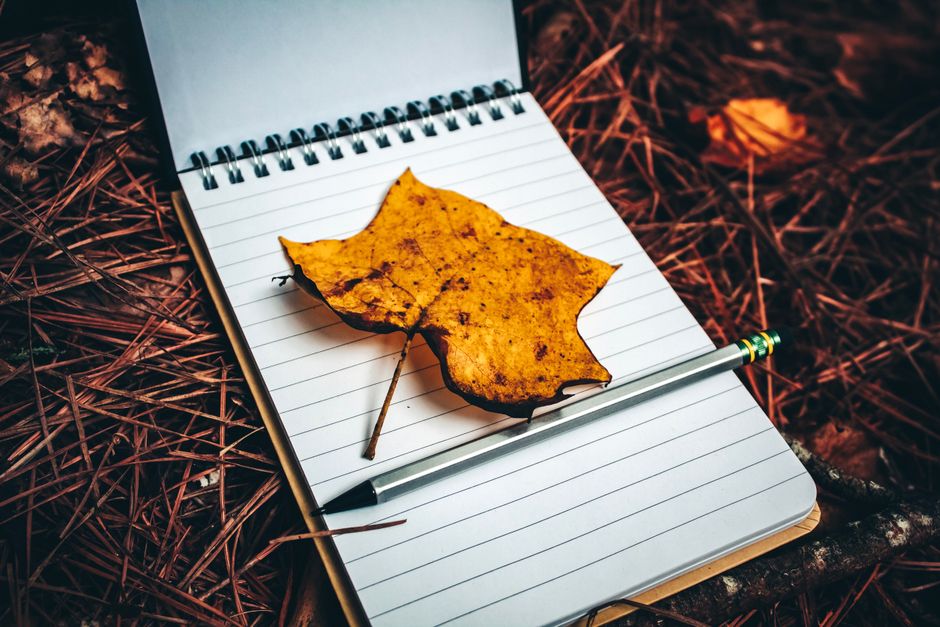
Beginning a nature journal requires minimal equipment, but the choices made about materials can influence the experience. A sturdy notebook with blank or lightly lined pages is essential, as it accommodates both writing and sketching. Many practitioners prefer a hardcover journal to protect pages during outdoor use, but a simple spiral notebook can also work. A pencil is often recommended because it allows for shading and can be erased, while a pen provides permanence; some individuals carry both. Additional items such as colored pencils, a small watercolor set, or a magnifying glass can enhance observations but are not required.
Beyond materials, the mindset is equally important. The goal is not to create a masterpiece but to record what is noticed. This means embracing imperfect sketches and incomplete notes. The practice is about consistency and curiosity rather than artistic skill. Setting aside a regular time, even just ten minutes a day, helps establish a habit. It is also helpful to approach each session without predetermined expectations, allowing the surroundings to guide attention.
Selecting a location can be as simple as stepping outside one’s home or visiting a local park. A familiar spot that can be visited repeatedly is often more valuable than a new location each time, as it allows for observing changes over days, weeks, and seasons. Nature Trail provides guidance on identifying accessible natural areas and suggests starting with a small, defined area such as a garden bed or a section of a trail.
Recording Observations: Sketches, Notes, and Dates
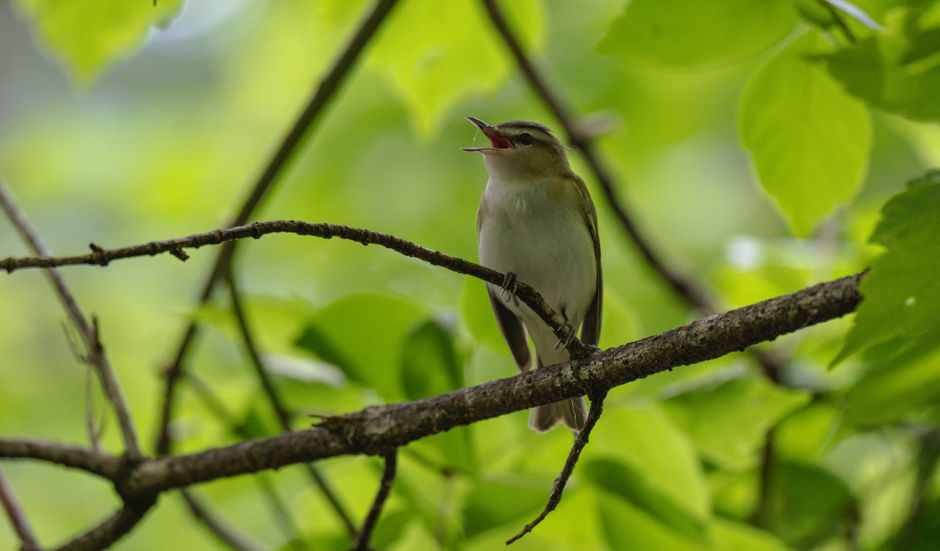
The core of a nature journal is the documentation of observations. Sketches do not need to be realistic; they can be simple line drawings, shapes, or diagrams that capture key features. For example, a leaf might be drawn with its basic outline and veins, or a bird might be sketched with attention to its beak shape and tail length. The act of drawing forces a closer look at details that might otherwise be missed. Notes complement sketches by describing colors, behaviors, sounds, and textures. Writing down questions that arise—such as “What is this plant?” or “Why is this bird feeding here?”—can guide future learning.
Dates are critical for creating a useful record. Each entry should include the date, time of day, and location. This information allows for tracking seasonal patterns, such as when certain flowers bloom or when migratory birds arrive. Weather conditions, including temperature, cloud cover, and precipitation, provide additional context. Over time, these data points accumulate into a personal phenology record, which can reveal trends and cycles. It is also useful to note the general conditions, such as whether it is windy or calm, as these factors influence wildlife activity.
Consistency in recording is more important than volume. A few lines and a quick sketch per session can build a rich archive over months and years. Some individuals use a template to structure entries, with sections for date, location, weather, and observations, while others prefer a free-form approach. Both methods are valid; the key is to record information regularly and accurately.
Developing Observation Skills Through Practice
Nature journaling is a form of deliberate practice that can enhance observation skills. By repeatedly focusing on specific details—such as the shape of a leaf, the pattern of a bird’s feathers, or the arrangement of branches—individuals train their eyes to notice more. This process is gradual and often occurs without conscious effort. Initially, a journal entry might focus on broad impressions, but with time, entries become more detailed and precise.
One technique to improve observation is to sketch the same subject multiple times under different conditions. For instance, drawing a tree in summer, autumn, and winter reveals changes in foliage, structure, and surrounding environment. Another approach is to focus on a single sense at a time, such as listening to bird calls or feeling the texture of bark. These exercises help break the habit of looking without seeing. Nature Trail offers workshops and online resources that provide structured activities for skill development.
It is important to note that observation skills develop at different rates for different people. Some may find sketching challenging at first, while others may struggle with descriptive writing. The practice is not a competition, and there is no standardized measure of success. The benefits are personal and often emerge gradually through sustained engagement.
Capturing Wildlife and Seasonal Changes
Wildlife observations are a common focus of nature journals. Recording the behavior of animals—such as feeding, mating, or nesting—can provide insights into local ecosystems. For example, noting the times of day when birds visit a feeder or the plants that attract butterflies can inform a deeper understanding of habitat needs. It is helpful to record not only what is seen but also what is heard, such as frog calls or insect stridulation. These auditory cues can be as informative as visual sightings.
Seasonal changes are another rich subject. Tracking the first frost, the emergence of buds, or the arrival of migratory species creates a timeline of natural events. This practice, known as phenology, connects personal observations to broader ecological patterns. Over years, a journal can reveal shifts in timing, which may be influenced by weather variability. Such records contribute to a growing body of citizen science data, though individual journals are primarily for personal use.
When documenting wildlife, it is essential to observe without disturbing. Keeping a respectful distance, avoiding handling animals, and minimizing habitat disruption are basic ethical guidelines. These practices ensure that the activity remains sustainable and that wildlife continues to be observable in the future.
Maintaining a Journal Over Time
Sustaining a nature journal requires a balance of discipline and flexibility. Setting a regular schedule, such as daily or weekly, helps establish a routine, but it is also important to allow for spontaneity. Some of the most valuable observations occur during unplanned moments. Keeping a journal accessible—perhaps in a bag or by the door—encourages impromptu entries. It is also helpful to review past entries periodically to reflect on changes and patterns.
Over time, the journal becomes a personal reference and a record of growth. It may include sketches that show improvement, notes that reflect increasing knowledge, and dates that mark significant events. This archive can be revisited to compare observations from different years or to prepare for seasonal activities. Nature Trail encourages journal keepers to share their experiences with others, as this can foster community and provide additional motivation.
There is no single correct way to keep a nature journal. Some individuals may fill pages quickly, while others may write only occasionally. The value lies in the act of observing and recording, not in the quantity of output. As with any practice, the benefits are influenced by individual circumstances and the consistency of engagement.
“The practice of nature journaling is a conversation with the natural world, conducted through sketches, words, and dates.”