Seasonal Changes in Wetlands: A Year of Water and Life
Wetlands are among the most dynamic ecosystems on Earth, undergoing continuous transformation as seasons shift. These environments, which include marshes, swamps, and bogs, are defined by the presence of water—either at or near the surface—for varying periods throughout the year. The cyclical nature of water availability, temperature, and daylight drives a complex series of changes that influence every organism within the wetland. Understanding these seasonal rhythms offers insight into how life persists and adapts in these ever-changing habitats.
Across the United States, wetlands range from the coastal salt marshes of the Atlantic and Gulf coasts to the prairie potholes of the Midwest and the riparian wetlands of the arid Southwest. Each type experiences seasonal fluctuations differently, yet common patterns emerge. Spring often brings an influx of water from snowmelt and rainfall, summer encourages explosive plant growth, autumn signals a retreat of water and vegetation, and winter imposes a period of cold and ice. These phases create a mosaic of conditions that support a remarkable diversity of life.
This article explores the annual cycle of a typical marsh, using it as a lens to examine how wildlife and plant communities respond to changing water levels, temperatures, and food availability. By following the marsh through the seasons, we can appreciate the resilience and interdependence of species that call these wetlands home.
Spring: Floods and the Awakening of Life
As winter’s grip loosens, spring arrives with rising temperatures and increased precipitation. In many regions, snowmelt from surrounding uplands drains into wetlands, causing water levels to rise significantly. This seasonal flooding transforms the marsh into a expansive, shallow water body, reconnecting isolated pools and inundating low-lying vegetation. The floodwaters carry nutrients and sediments, enriching the soil and setting the stage for a burst of biological activity.
Plant life responds quickly to the abundant water and longer daylight hours. Emergent plants such as cattails, bulrushes, and sedges begin to send up new shoots from rhizomes buried in the mud. These early sprouts provide critical cover and food for a variety of organisms. Submerged aquatic plants, like pondweeds and coontails, also start to grow, oxygenating the water and offering habitat for small fish and invertebrates.
Wildlife becomes increasingly active as food becomes more available. Amphibians, such as spring peepers and chorus frogs, emerge from hibernation and migrate to breeding pools, filling the air with their calls. Migratory birds, including ducks, geese, and shorebirds, stop over to rest and refuel on their journey north. Many species of fish move into flooded areas to spawn, taking advantage of the temporary expansion of habitat. Insects, from mosquitoes to dragonflies, begin their life cycles, providing a crucial food source for birds, bats, and other predators.
The spring flood also serves as a period of dispersal for many organisms. Seeds and larvae are carried by the moving water to new locations, colonizing freshly inundated areas. This dynamic phase is essential for maintaining the wetland’s biodiversity and productivity.
Summer: Blooms and the Peak of Productivity
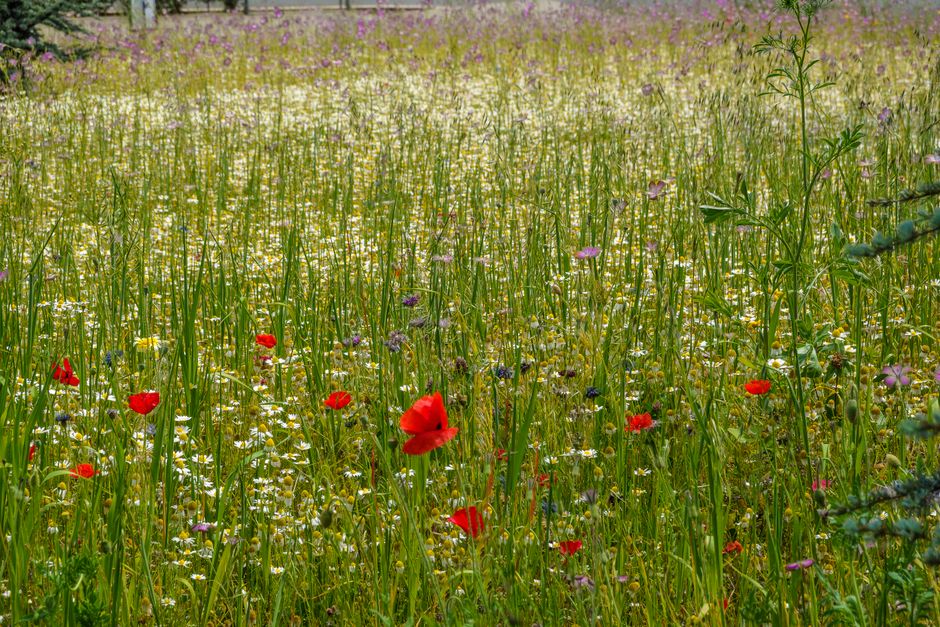
By summer, water levels often stabilize or gradually decline as evaporation and plant transpiration outpace rainfall. The marsh becomes a lush, green landscape, with dense stands of vegetation reaching their maximum height and extent. This is the season of blooms, when flowering plants such as pickerelweed, arrowhead, and water lilies put on vibrant displays. These flowers attract a host of pollinators, including bees, butterflies, and beetles, which in turn support the broader food web.
The abundant plant growth provides extensive cover for wildlife. Birds nest in the dense vegetation, hiding their young from predators. Mammals like muskrats and beavers build lodges and dams, altering water flow and creating new habitats. Reptiles and amphibians bask on sun-warmed logs and lily pads, while fish and aquatic invertebrates thrive in the warm, productive waters.
Summer is also a time of intense competition for resources. As water levels drop, some areas may dry out, concentrating aquatic life and making it easier for predators to hunt. Wading birds such as herons and egrets stalk the shallows, while hawks and owls patrol from above. The marsh becomes a stage for the constant interplay of predator and prey, with each species finely tuned to the seasonal opportunities.
“The summer marsh is a cacophony of life, where every square meter teems with organisms engaged in the business of survival.”
Despite the abundance, summer can also bring stress. High temperatures and reduced water flow can lead to low oxygen levels in stagnant pools, stressing fish and other aquatic organisms. Some species have adapted to these conditions by developing air-breathing organs or by seeking cooler, spring-fed areas. The marsh’s ability to buffer these extremes depends on its hydrological connectivity and the diversity of microhabitats it contains.
Autumn: Die-Back and Preparation for Winter
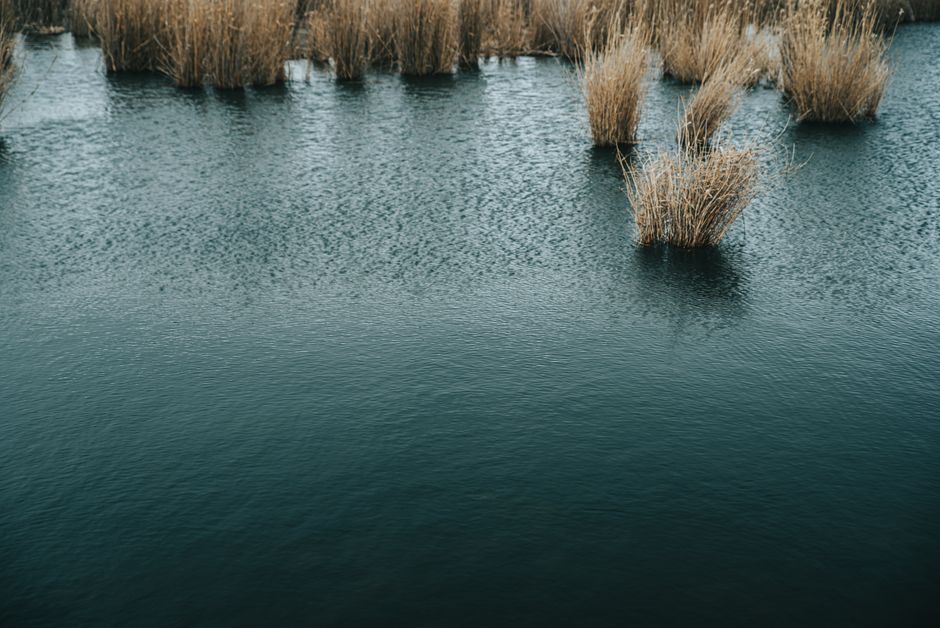
As autumn approaches, daylight hours shorten and temperatures begin to cool. The lush vegetation of summer starts to die back, with leaves turning brown and stems withering. This process, known as senescence, marks the beginning of a period of decline in primary productivity. However, the dead plant material does not go to waste; it becomes detritus, a vital food source for a multitude of detritivores, including insects, worms, and crustaceans.
Water levels often recede further in autumn, exposing mudflats and shallow areas. These exposed sediments are quickly colonized by opportunistic plants and provide feeding grounds for shorebirds and other wildlife. Many bird species migrate south, leaving the marsh quieter but still active with resident species preparing for winter.
Animals that remain year-round engage in behaviors to survive the coming cold. Muskrats reinforce their lodges, beavers cache food, and turtles burrow into the mud to enter a state of dormancy. Frogs and salamanders seek out deep water or underground refuges where they can overwinter without freezing. Insects lay eggs that will hatch in spring, ensuring the next generation’s survival.
The autumn die-back also contributes to the wetland’s nutrient cycling. As plant matter decomposes, nutrients are released back into the water and soil, ready to fuel the next spring’s growth. This cycle of growth and decay is fundamental to the marsh’s long-term health and productivity.
Winter: Ice and Adaptation
Winter brings cold temperatures and, in many regions, ice cover. The marsh may freeze over, creating a starkly different environment. Ice restricts access to open water for many animals, forcing them to adapt in remarkable ways. Some fish species, like carp and bullheads, become dormant and slow their metabolism. Others, such as trout, remain active in deeper, unfrozen pools.
Mammals like otters and mink continue to hunt, using holes in the ice to dive for fish and amphibians. Beavers stay active under the ice, accessing stored food caches. Birds that overwinter in wetlands, such as mallards and Canada geese, rely on open water patches to feed and rest. These areas may be kept ice-free by currents or by the activities of animals.
Plant life in winter is largely dormant, but the seeds and rhizomes buried in the mud await warmer days. The ice itself can play a role in seed dispersal, as floating seeds become trapped and later released when the ice melts. The marsh’s winter phase is not a time of death but of suspended animation, a pause in the cycle that allows the ecosystem to conserve energy and prepare for renewal.
The Interconnected Cycle
The seasonal changes in a wetland are not isolated events; they are part of a continuous, interconnected cycle. Spring floods set the stage for summer productivity, which in turn provides the organic matter that fuels autumn decomposition and winter survival. Each phase influences the next, creating a dynamic equilibrium that has evolved over millennia.
Human activities, however, can disrupt these natural rhythms. Drainage, pollution, and climate change alter water levels and temperature patterns, affecting the timing and intensity of seasonal transitions. Understanding the baseline seasonal dynamics is essential for effective conservation and management. Organizations like Nature Trail work to protect and restore wetlands, recognizing their value for wildlife and people.
By observing the marsh through the seasons, we gain a deeper appreciation for the resilience of life and the delicate balance that sustains it. The wetland’s ever-changing character is a reminder that in nature, change is the only constant.